Original Kundalini Yoga: History, Benefits, Poses, Steps, and the Legacy of Yogi Bhajan
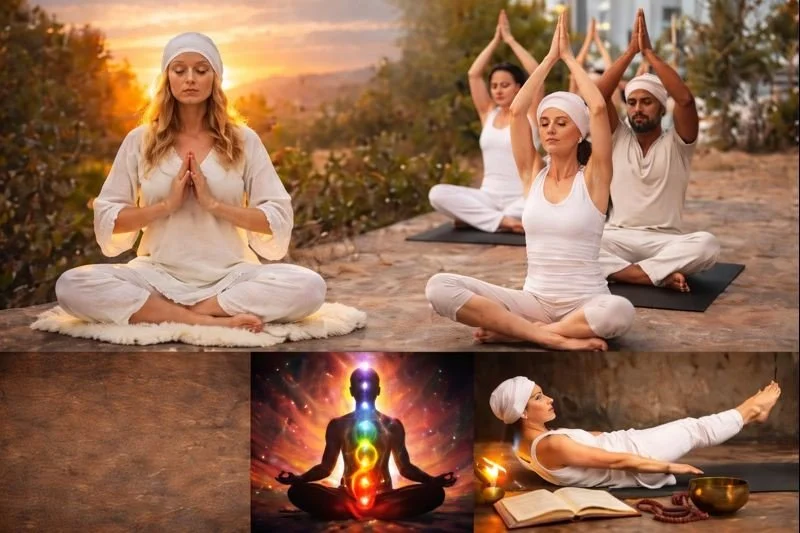
Have you noticed how busy and hectic our lives are getting, especially here in Oslo? In the midst of busy workdays and long winters, there is constant pressure to keep going. It's no surprise that more people are looking for something deeper than a quick workout or a moment of calm. And Kundalini Yoga has been standing out as one of the most popular choices.
Also known as the "yoga of awareness," Kundalini Yoga is the perfect combination of breathwork, movement, meditation, sound, and awareness that helps you feel more alive and centered. But to truly understand this type of yoga, especially the original and traditional form, it's very important to know where it comes from, why it is practiced, and how beginners can practice it safely.
This guide will walk you through everything: its origins, its benefits, the traditional steps, beginner-friendly poses, and the influence of Yogi Bhajan.
The Origin and History of Kundalini Yoga
Kundalini Yoga is often described as an ancient spiritual practice rooted in India. Its history is highly rich and layered.
Ancient Traditions
The term kundalini is ancient, referring to the unfolding of the life force itself. References to this inner energy can be found across early Vedic texts, Tantra, the Upanishads, and later yogic scriptures. These teachings describe kundalini as a powerful, dormant force resting at the base of the spine that, when awakened, rises through the chakras, supporting expanded awareness, clarity, emotional balance, and spiritual insight.
For centuries, practices related to this awakening were kept secret, shared only between master and selected student. Kundalini Yoga, understood as a systematic method to support this unfolding of life force, was treated as a timeless inner technology, one that appeared in different forms across various cultures and traditions.
Yogi Bhajan's Legacy: Modernizing Kundalini Yoga
In the late 1960s, Harbhajan Singh Puri, widely known as Yogi Bhajan, arrived in the West and began openly teaching techniques designed to safely guide the kundalini awakening process. He introduced a structured format that combined breathwork, movement, mantra, meditation, and lifestyle principles, making the ancient technology accessible to Western practitioners.
Yogi Bhajan often said, “I am not here to gather students but to create teachers.” He believed that real mastery came through sharing knowledge, expressing it through the maxim:
“If you want to know something, read it. If you want to understand it, write about it, and if you want to master it, teach it.”
While scholars note that his style blends influences rather than representing one unchanged historical lineage, Yogi Bhajan’s contribution lies in bringing these once-guarded teachings forward in a form intended to be practical, safe, and relevant for modern life.
What Does "Original" Kundalini Yoga Mean?
When people talk about "original" Kundalini yoga, they usually mean the older, text-based and oral traditions of kundalini practices found in classical yoga and tantra, not any single modern brand. These original teachings focus on awakening inner energy through posture, breath, internal locks (bandhas), visualization, and meditation to reach deep states of realization.
Modern kundalini yoga in Oslo and other cities often respects this foundation but adapts it to today's needs by adding clear class structures, safer progressions, and psychological insight. Studios like Northern Light Yoga focus on authentic, therapeutic, and holistic approaches. This means they aim to honor tradition while making the practice accessible and supportive for modern practitioners.
Benefits of Traditional Kundalini Yoga
Kundalini Yoga is often described as a "whole-system practice" because it works with the physical body, the breath, the mind, and inner awareness at the same time. While every person's experience differs, many practitioners share common benefits:
1. Mental Clarity and Focus
Traditional Kundalini kriyas often include rhythmic breathing and repetitive movements. These combinations help calm mental noise and improve concentration.
2. Emotional Balance
The breathwork and meditative elements of Kundalini Yoga help release stored tension and emotions. Many people report improvements in stress levels, emotional stability, and resilience.
3. Improved Energy Levels
One of the core aims of the practice is to awaken internal energy. This doesn't mean hyperactivity. It means feeling naturally energized, lighter, and more awake.
4. Strength and Flexibility
Although Kundalini Yoga is not as physically intense as some other styles, the poses and sequences build strength in the core, legs, spine, and respiratory system.
5. Better Nervous System Regulation
Kundalini practices support the parasympathetic nervous system, helping practitioners shift out of stress mode and into a calmer, more grounded state.
6. Spiritual Growth
Traditionally, Kundalini Yoga was used for self-realization, inner transformation, and expanding consciousness. While not everyone practices for spiritual reasons, many notice a deeper sense of connection and inner peace.
Original Kundalini Yoga Steps
Every Kundalini Yoga class is structured in a very intentional way. While each kriya or session may vary, the traditional steps typically include:
Step 1: Tune In
Each session usually begins with the mantra "Ong Namo Guru Dev Namo." It's a way to shift your attention inward and create a calm mental space. The chant helps you leave behind the noise of the day and become more present.
Step 2: Warm-Up
Gentle stretches follow, loosening the spine and waking up the lungs and hips. These movements prepare your nervous system so you can handle stronger breathing techniques safely and comfortably.
Step 3: Kriya (The Main Sequence)
A kriya is a structured set of movements, breaths, poses, or chants performed in a specific order.
A kriya may include:
Repetitive physical movements
Dynamic or static postures
Breath of Fire
Long deep breathing
Mudras (hand gestures)
Mantras
Concentration at specific points
Each kriya aims to create a certain effect, such as calming the mind, energizing the body, or balancing the chakras.
Step 4: Deep Relaxation
After the intensity of the kriya, your body lies still to rest. This allows your muscles, breath, and thoughts to settle and gives your nervous system time to absorb the effects of the practice.
Step 5: Meditation
Meditation can be silent or include chanting, breath patterns, or mudras. It helps deepen awareness, clear the mind, and stabilize the energy activated by the kriya.
Step 6: Closing
The class ends with a chant of "Sat Nam" to seal the practice. This mantra means "truth is my identity," a reminder to live authentically and consciously.
Common Kundalini Yoga Poses
Kundalini Yoga includes many familiar yoga postures but performs them in unique ways, often with breath patterns or rhythmic movement. Some common poses include:
1. Easy Pose (Sukhasana)
Often used for meditation, breathwork, and chanting. Even a simple seated posture becomes powerful when paired with focused breathing.
2. Spine Flex
This dynamic movement increases spinal flexibility and stimulates energy flow throughout the body. It's one of the most common warm-ups in Kundalini Yoga.
3. Cat-Cow (Marjaryasana-Bitilasana)
Performed more rapidly than in other yoga styles to energize the spine and awaken the breath.
4. Stretch Pose
A challenging yet foundational posture that strengthens the core and activates the navel center, an important energy point in Kundalini Yoga.
5. Cobra Pose
Used to engage the spine and open the chest.
6. Ego Eradicator
Involves arm positions with "breath of fire" for energy clearing.
7. Shoulder Stands and Forward Folds
Used in many kriyas to stimulate circulation and balance the body.
Overall, Kundalini Yoga poses are less about perfect alignment and more about energy flow, breath, and awareness. Even simple movements can feel surprisingly powerful when performed with intention.
What Beginners Need to Know
If you are new to the practice, Kundalini Yoga can feel different from other yoga styles. But beginners often find it surprisingly enjoyable because it doesn't require extreme flexibility or athletic ability.
Here's what you should know when you're just starting:
1. You Don't Need Experience
You don't have to be flexible or fit to begin. Many beginners start with simple kriyas and gradually build comfort with the movements and breathwork.
2. Breath Is More Important Than Flexibility
Kundalini Yoga focuses more on breathing techniques, awareness, and consistency than on perfect poses. As long as you breathe with intention, you're doing it right.
3. Expect a Mix of Movement and Meditation
Unlike some yoga styles that focus mostly on physical postures, Kundalini combines meditation, mantra, and breath. This is what makes Kundalini feel so different, as it's part exercise, part inner work, and part meditation.
4. You Can Go at Your Own Pace
There's no pressure to perform every movement perfectly. Pausing, modifying, or slowing down is completely normal and part of the practice.
5. Find a Good Teacher
A supportive and knowledgeable teacher can help you learn breathwork safely and guide you through each kriya with confidence.
Beginners often find that Kundalini Yoga becomes easier and more enjoyable with consistency. After a few classes, the movements and breath patterns start to feel natural, and many people experience improved energy, clarity, and emotional balance.
Where to Learn Kundalini Yoga in Oslo?
Oslo has a growing Kundalini community, and one academy that stands out is Northern Light Yoga.
Northern Light Yoga blends traditional Kundalini teachings with a calm, mindful, and supportive atmosphere. The school is especially suitable for beginners who want gentle guidance, clear instructions, and teachers who take time to explain the meaning behind each kriya.
Our strong focus on meditation, breathwork, and nervous-system balance makes our classes ideal for anyone seeking a deeper sense of inner peace, emotional grounding, and spiritual clarity. Many students appreciate the welcoming environment and the feeling of connection that builds naturally in our classes.
Final Thoughts
Original Kundalini Yoga is a complete system for connecting the body, mind, and inner awareness. Its ancient roots, structured kriyas, and combination of breath, movement, and meditation make it a unique and powerful practice.
If you live in Oslo and want to learn Kundalini Yoga in a supportive and traditional environment, Northern Light Yoga is an excellent place to begin your journey. Our experienced teachers, warm community atmosphere, and grounded approach make the practice accessible and meaningful for beginners and experienced practitioners. Join us today and get your journey started!
Kundalini Yoga is a path to self-understanding, calmness, and balance in everyday life. And that's what makes it so timeless.
